There’s something special about old wooden windows. They give homes character, charm, and a glimpse into the craftsmanship of the past. Unfortunately, many homeowners and even contractors assume that if a wooden window looks rough, the best option is to rip it out and replace it with a modern vinyl, aluminum, or even new wood window.
But here’s the truth: restoring wooden windows is almost always the smarter, more sustainable choice. One of the easiest, safest ways to bring those windows back to life is by using infrared heat to restore them.

If you’re a DIYer who loves working on old houses—or a preservation professional committed to keeping historic details alive—this guide will walk you through what you need to know about restoring wooden windows with an infrared paint remover.
Why Restore Instead of Replace?
Before we jump into the “how,” let’s talk about the “why.”
- Old-growth wood is irreplaceable. Most wooden windows made before the 1950s were built with old-growth lumber. This wood is denser, stronger, and more rot-resistant than the fast-growth wood used today.
- Better craftsmanship. Mortise-and-tenon joinery, true divided lights, and hand-fitted sashes are the standard for historic windows. Modern, mass-produced, new replacement windows can’t compare in craftsmanship.
- Energy efficiency. With proper glazing, weatherstripping and storm windows, restored wooden windows perform as well—or better—than replacements.
- Sustainability. Restoring keeps old window materials out of landfills and reduces demand for new manufacturing.
Why Choose an Infrared Paint Remover?
If you’ve ever tried stripping paint the old-fashioned way, you know the pain: toxic chemicals, endless scraping, lots of dust or dangerously high heat that risks scorching the wood or worse, starting a fire.
This is where infrared (IR) paint strippers change everything.
- Gentle on wood. Infrared heat penetrates into the wood and softens paint and putty without burning the surface or the material behind the wood, such as insulation.
- Lead-safe. Unlike sanding or dry scraping, infrared stripping makes old lead paint soft and pliable. In this state, it is easier to remove, contain, and dispose of safely without releasing harmful lead
- Fast and efficient. In just 3–30 seconds (depending on the model of IR paint remover) all the layers of paint can be heated, will bubble up, and can be scraped away quickly leaving bare wood. Once the soft paint is removed, the wood is immediately ready for repainting—no waiting for rinsing or drying.
- Eco-friendly. No toxic chemicals in the work area or neighborhood. You need to contain the dry paint waste, and it is a fast cleanup.
Step-by-Step: Restoring Your Wooden Windows with an IR Paint Remover
Here’s a roadmap for DIYers and pros alike.
- Remove the Sash (If Possible)
While you can work on windows in place, removing the sash makes things easier, safer, and more complete. Label each sash and keep track of hardware. We recommend using the Window Zipper to ensure the paint between the sash and the wall is cut, and the sash is easily separated for removal.
- Set Up a Safe Workspace
- Work on a sturdy surface, like a workbench.
- Set up plastic sheeting under the work area to collect paint waste.
- Protect antique glass with an Aluminum Protection Mat or a heavy-duty, foil-covered shield
- Always wear gloves, safety glasses, and a respirator (if dealing with lead paint).
- Remove Glazing Putty and Glass (if broken)
Infrared heat is also perfect for softening old glazing putty. Hold the tool near the putty line, and within seconds it will loosen for easy scraping and removal—without cracking the glass.
- Heat the Paint with the Infrared Stripper
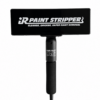
Position the bulbs of the Infrared Paint Remover about 2 inches above the painted surface. The Speedheater 1100 and Rapid Slim have fixed side plates with this correct distance built in. Never place Speedheaters directly on a painted surface. In 3-30 seconds (depending on the model – Speedheater Cobra, 1100, or Rapid Slim), you’ll see the paint begin to bubble and soften. Heat only small sections at once to ensure you can scrape while the paint is still warm and soft.
- Scrape Carefully
Use a pull-type scraper with a sharp, beveled edge. Cut through all the layers of paint and pull the blade towards you. The softened paint should peel away in curls not chips or dust. For detailed profiles, switch to scrapers whose blades match the contours.
- Sand Lightly
Once the bulk of the paint is gone, give the sash a light sanding (not power sanding, especially with lead). This smooths the final surface completely without damaging the wood.
- Repair and Refinish
- Replace broken glass if needed.
- Reglaze glass with linseed-oil-based putty.
- Prime the glazing and wood with an oil-based primer.
- Repaint with high-quality, exterior paint.

Tips for Best Results
- Work slowly and evenly. Rushing can underheat the wood and force aggressive scraping.
- Protect the glass. Use a heat shield or Aluminum Protection Mat to eliminate the risk of cracking panes.
- Use sharp tools. Dull scrapers can gouge delicate profiles.
- Take breaks. Window restoration is rewarding, but it’s also a labor of love.
What About Energy Efficiency?
One of the biggest myths out there is that old wooden windows are “leaky and inefficient.” In reality, when you pair a restored window with:
- Tight glazing and paint seals
- Proper weatherstripping
- A good storm window
…your windows will perform just as well or even better than brand-new replacements. And you’ll preserve the architectural integrity of your home.

For DIYers and Professionals Alike
Whether you’re a weekend renovator with a few sashes to restore or a preservation carpenter tackling dozens of windows, an infrared paint remover is a reliable, long-term tool. It saves time, protects wood, and helps you do the job right the first time.
And unlike harsh chemicals or disposable products, this is a tool you’ll use again and again for years—on doors, trim, windows, siding, and furniture, too.
Final Thoughts
Restoring old wooden windows isn’t just about looks. It’s about honoring craftsmanship, reducing waste, and keeping history alive—one sash at a time. With an IR paint remover, the process becomes safer, faster, and more enjoyable.
If you’ve been thinking about tackling your windows, now’s the time. You’ll be amazed at the beauty hidden under all those layers of paint.